Local conditions still matter
Rankings use ZIP-based hardiness, light, soil, water, and goal fit. Microclimates, drainage, soil pH, heat, chill hours, and local invasive lists can change the final answer.
Enter a ZIP code and garden goal to get climate-aware plant picks, planting windows, and practical next steps for your place.
Ranked picks
Not sure about soil defaults to loam. Recommendations are practical starting points, not local extension advice.
Saved garden plan
Saved locally in this browser.
Before you plant
Rankings use ZIP-based hardiness, light, soil, water, and goal fit. Microclimates, drainage, soil pH, heat, chill hours, and local invasive lists can change the final answer.
Saved plans stay in this browser and store zone, conditions, and plant IDs. ZIP codes are used for lookup and are not saved in local plan storage.
Some seed and supply links may be affiliate links. Source links do not affect rankings, and native cues are not yet a county-level native-range database.
Planning guides
These crawlable guides expose the plant database by season, purpose, water needs, and site fit while keeping ZIP-based results inside the matcher.
ZIP planting planner
Enter a ZIP code to turn the plant database into estimated seed-starting, transplanting, direct-sow, and nursery planting windows for your hardiness zone.
Right now
Build a calendar to see what overlaps this week.
Current planting windows will appear here after lookup.
Year at a glance
A horizontal view will appear after ZIP lookup.
Month detail
Frost-based windows will appear here after lookup.
No planting windows match those filters.
Planning dates are approximate. Use local extension guidance, seed packet directions, soil temperature, and the near-term forecast before planting.
USDA zone explorer
Look up a ZIP, scan the national hardiness pattern, and translate the USDA zone into frost timing, heat load, chill-hour risk, moisture pattern, and practical plant choices.
Map view
Use ZIP lookup to place your garden on the official USDA hardiness pattern, then use the region checks below to interpret what the zone does not tell you.
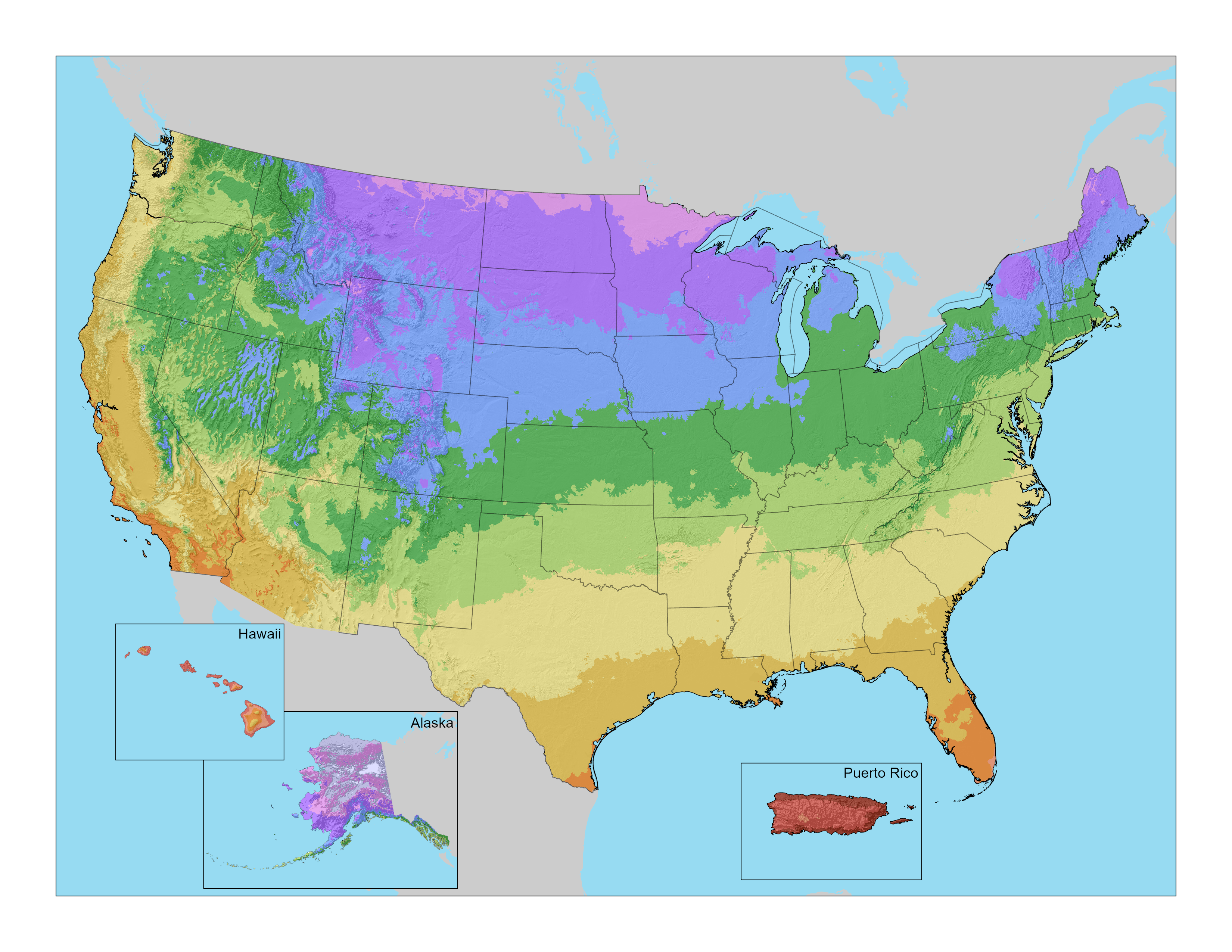 Approx. ZIP area
 Official USDA ARS 2023 national map layer. ZIP pin is approximate; local terrain, exposure, and drainage can shift real garden behavior.
Zone selector
Click any zone to see its winter-low range and what it means in the garden.
Garden next steps
After ZIP lookup, this panel shows zone-fit starters from the plant database and links into the matcher or calendar.
Enter a ZIP code to see useful plants and planning moves for that zone.
Interactive zone overlay uses public ArcGIS vector tiles adapted from USDA/OSU 2023 hardiness data and feature data derived from USDA ARS 2023 Plant Hardiness Zone Map data. Static fallback image is from the 2023 USDA ARS Plant Hardiness Zone Map downloads. Selected plant overlays use Plant by ZIP database hardiness ranges; they are suitability cues, not county-level native range maps. Plant by ZIP overlays approximate ZIP and local planning signals to help translate the map into planting decisions.
Plant research table
Screen the full Plant by ZIP database like a compact market table: filter by growing needs, sort by useful signals, and jump into any plant profile.
| Profile |
|---|
No plants match those filters.
Field notes
Practical growing notes for matching plants to real yards, real weather, and the space you actually have.
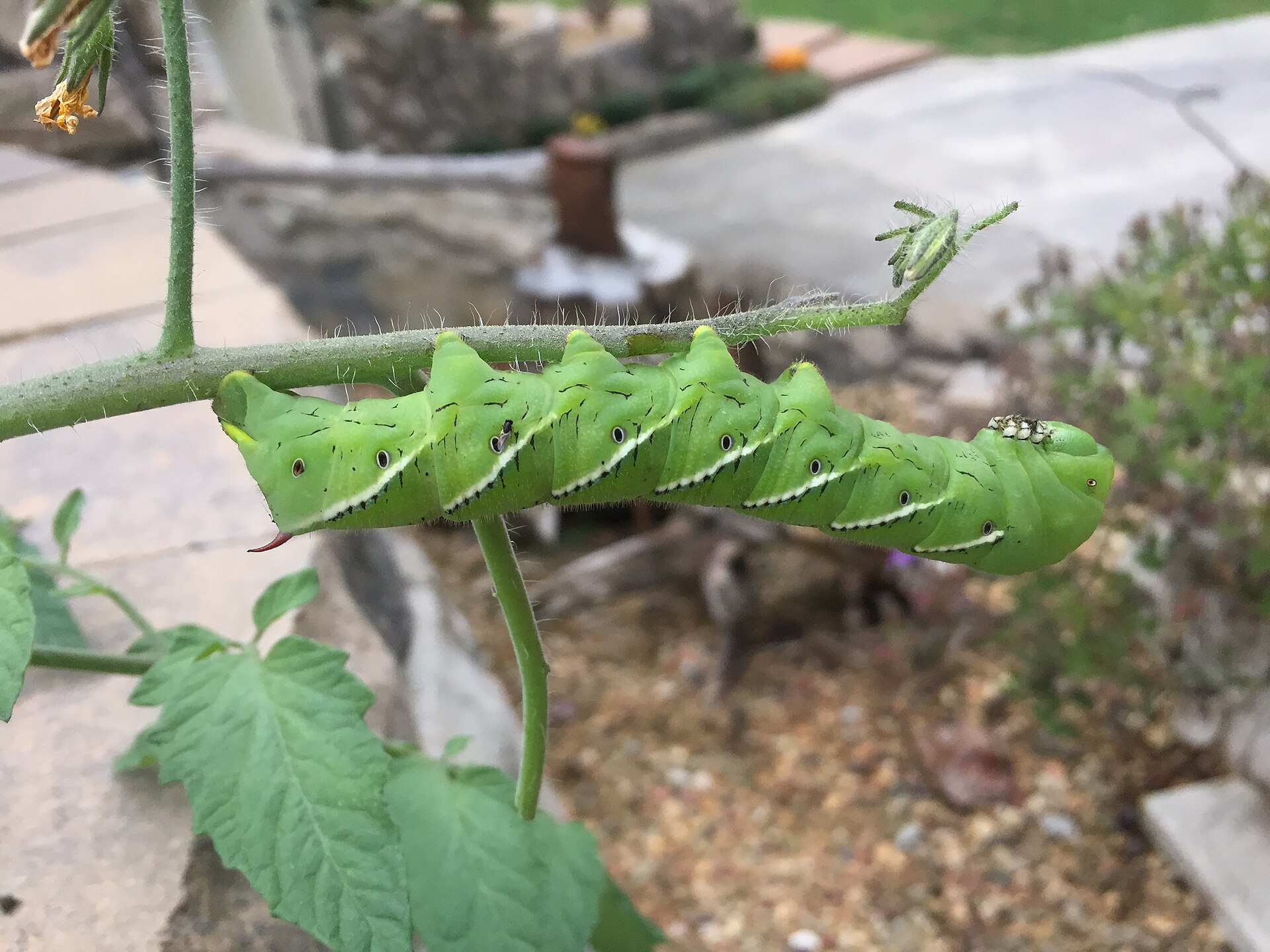
Learn how to identify the pests actually hurting your garden, when to act, and the patient, layered approach that beats spraying everything in sight.
Read article IrrigationA working drip irrigation architecture for home orchards and raised beds, built from real components in plain language.
Read article Fruit treesA practical diagnosis guide for fruit trees that bloom poorly, drop fruit, or stay leafy without producing a real crop.
Read article Soil healthLearn why blueberries struggle in alkaline soil, how to test your pH, and the patient way to acidify soil for long-term success.
Read article Garden planningLearn how to read light, soil, space, and climate before choosing plants that can actually thrive where you put them.
Read articleNo articles match that search.