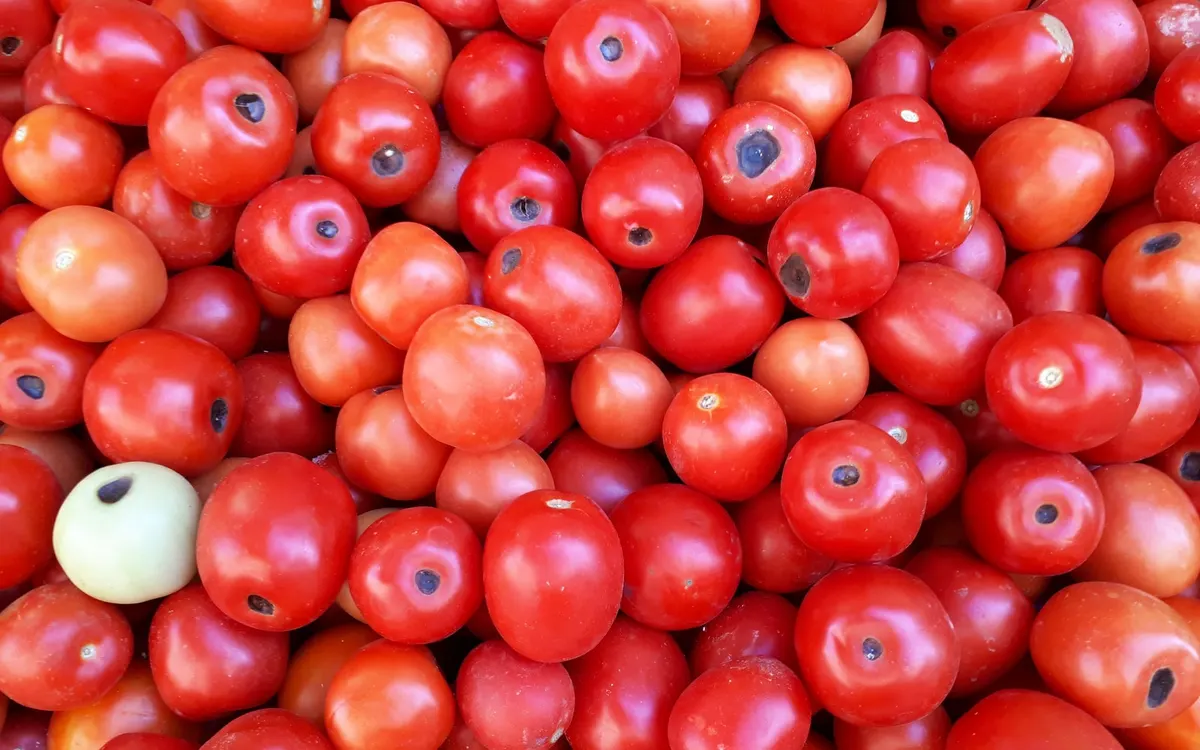
Tomato rot is not one problem. That is the first thing to get right. A black patch on the bottom of a tomato, a soft sunken spot on ripe fruit, a cracked shoulder that starts to mold, and a brown greasy lesion during a late-blight outbreak can all get called “rot” by gardeners, but they do not have the same cause and they do not have the same fix.
The most common home-garden diagnosis is blossom-end rot, a calcium movement disorder that shows up on the blossom end of the fruit. It is not contagious and it is usually driven by water stress, root stress, pH problems, excess nitrogen, or a true calcium deficiency. Fungal and water-mold fruit rots are different. Those are disease problems, and they respond more to sanitation, airflow, keeping fruit off soil, and properly timed protectant sprays than to soil amendments. Cracking is different again. A split tomato is usually a water-management problem that becomes a decay problem after the skin opens.
Start by identifying the symptom. Then fix the condition that caused it.
Disclosure: Some product links in this article are affiliate links, which means Plant by ZIP may earn a commission if you buy through them at no extra cost to you.
Quick field diagnosis
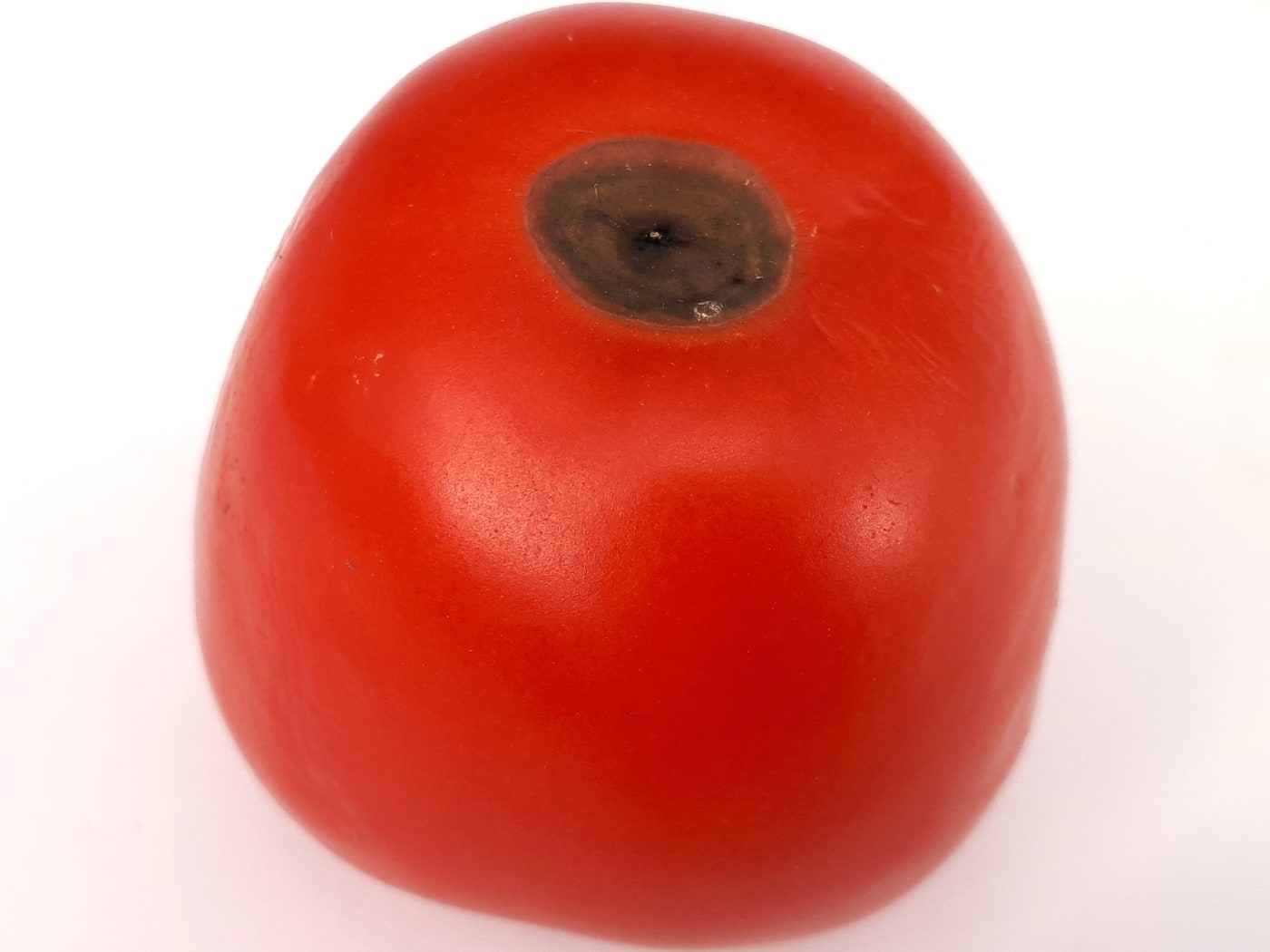
Blossom-end rot usually begins as a water-soaked, tan, brown, or black spot on the blossom end of the tomato, opposite the stem. The spot often becomes sunken, dry, and leathery. It may be small at first, then enlarge as the fruit grows. The rest of the plant can look perfectly healthy. This is the classic “bottom of my tomato is turning black” problem.
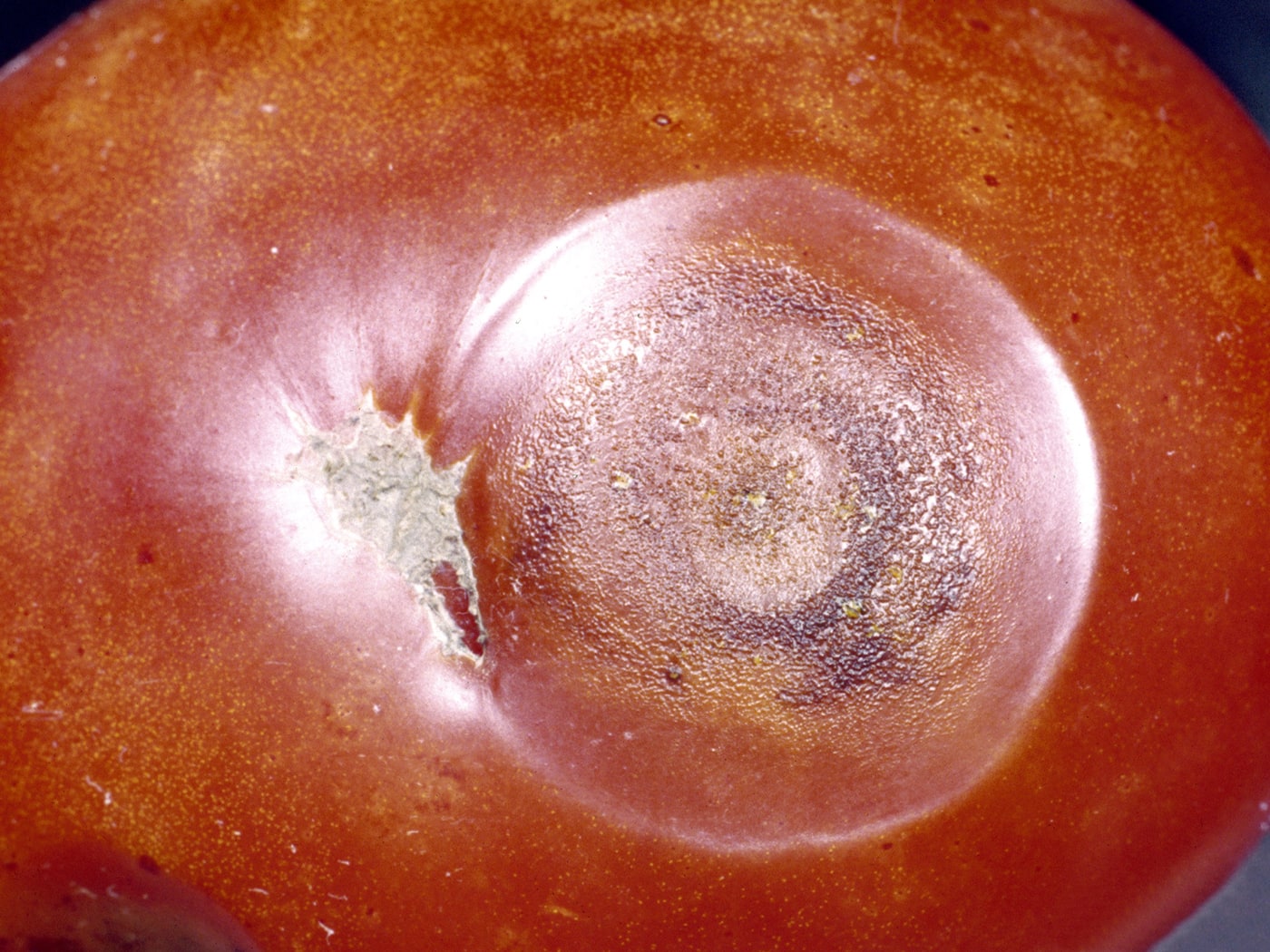
Anthracnose and other ripe-fruit rots usually show up as small, circular, sunken spots on ripening or ripe tomatoes. As the spot expands, it may develop dark specks or salmon-pink spore masses during humid weather. These fruit rots are favored by wet foliage, fruit touching soil, plant debris, and delayed harvest.
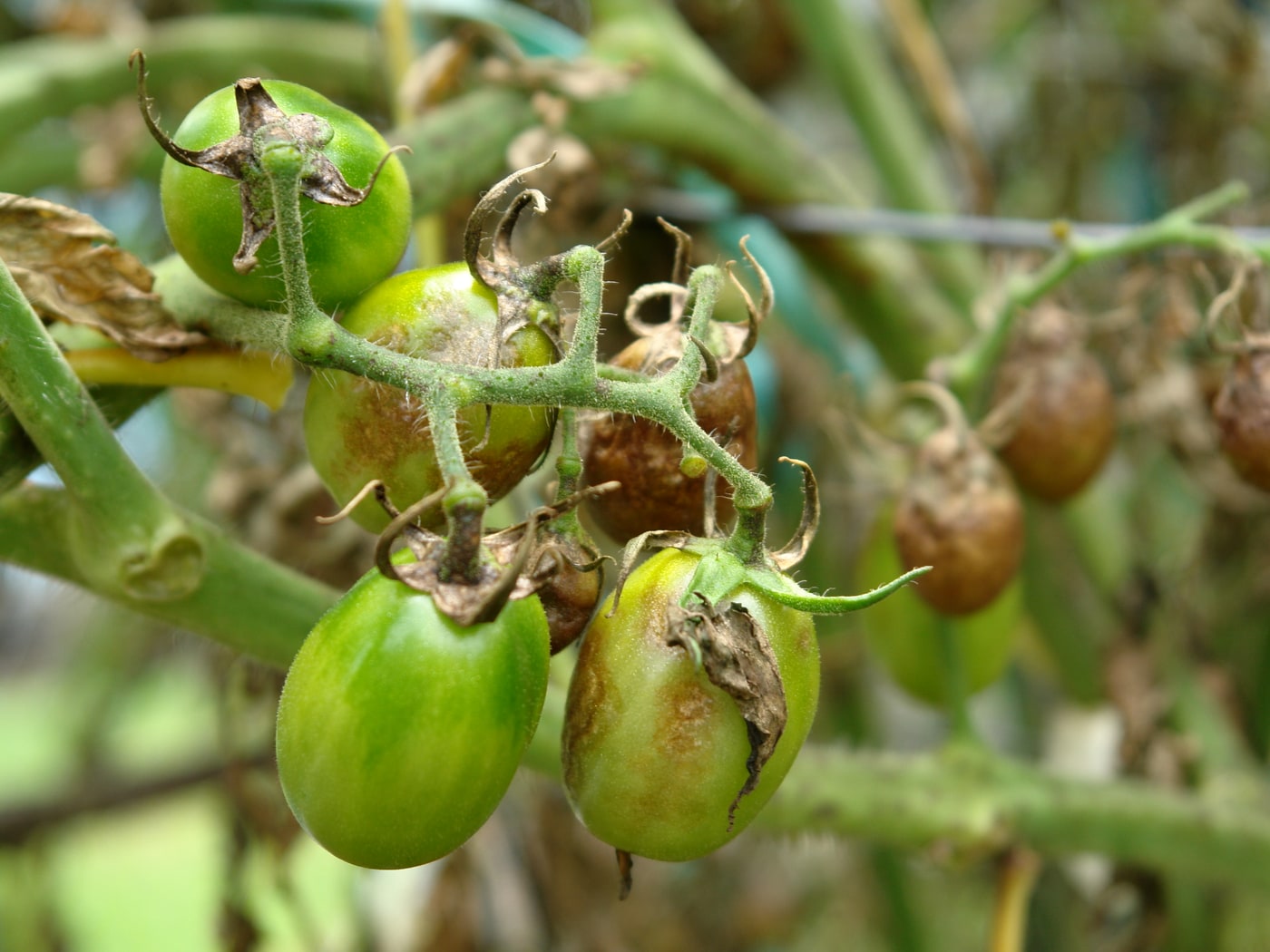
Late blight is a different level of concern. It can move fast during cool, wet weather and may cause dark, greasy-looking lesions on leaves, stems, and fruit. Plants can collapse quickly. If you suspect late blight, confirm it through your county extension office or a local diagnostic lab rather than guessing from a photo.
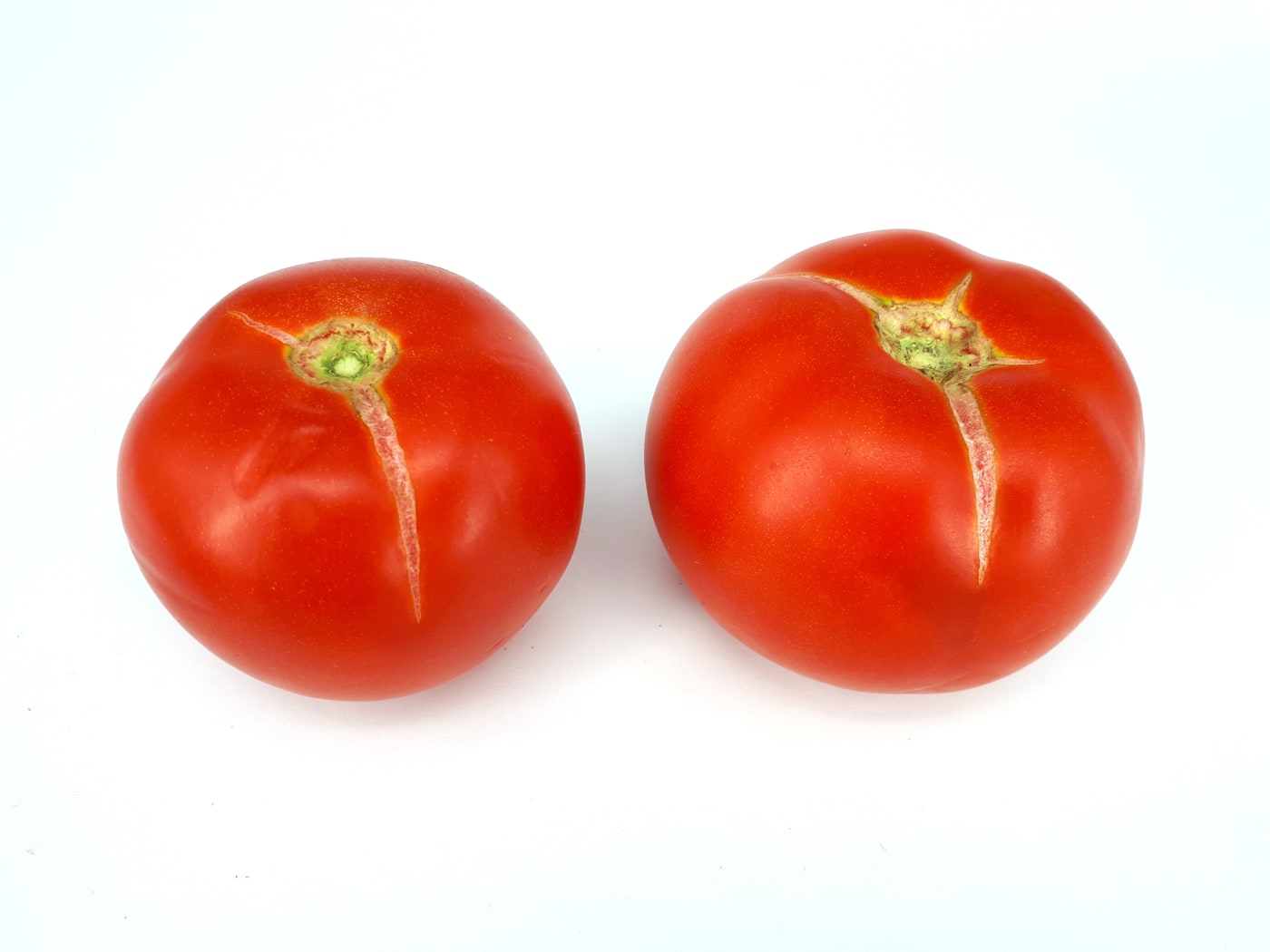
Cracking and splitting are not diseases at first. They happen when fruit takes up water faster than the skin can expand, often after a dry period followed by heavy rain or heavy irrigation. Cracked fruit then becomes an easy entry point for fungi, bacteria, yeasts, and insects.
Blossom-end rot: the common black-bottom tomato
Blossom-end rot is a physiological disorder, not an infectious disease. NC State Extension describes it as damage from a non-living factor, and University of Maryland Extension explains that it develops when enlarging fruit does not receive enough calcium. The key phrase is “the fruit does not receive.” That is not always the same as “the soil has no calcium.”
Calcium moves into the plant with water and then into growing tissue. When the soil swings from dry to wet, roots are damaged, salts are high, nitrogen is excessive, or pH is off, calcium movement to young fruit can fail even if the soil contains calcium. This is why blossom-end rot often appears on the first flush of tomatoes during a stressful early summer, then improves once watering becomes steadier and the root system catches up.
The correct response is calm and practical:
Remove badly affected fruit. It will not heal, and leaving it on the plant wastes energy. If a fruit is firm and only has a dry leathery patch, some gardeners cut away the damaged part and use the clean portion. If it is soft, moldy, sour-smelling, or leaking, discard it.
Check water first. Tomato roots need steady moisture, not a cycle of drought and rescue watering. In most gardens, deep watering one to three times a week is better than a daily surface splash. In containers, the interval may be much shorter because potting mix dries quickly. A moisture meter is not a perfect instrument, but it can help newer gardeners notice whether the root zone is actually drying out between waterings.
Mulch the bed. Two to three inches of clean straw, shredded leaves, pine straw, wood chips, or coconut husk mulch helps moderate soil temperature and moisture. Keep mulch a few inches away from the tomato stem so the crown is not packed wet.
Use drip or soaker irrigation if you can. A soaker hose is a simple fix for a single tomato row. A true drip system is better for multiple beds because it delivers water more evenly and keeps leaves dry. The Plant by ZIP drip irrigation guide walks through a full setup, including filters, pressure regulation, and timers. A hose-end irrigation timer is useful when the real problem is forgetting to water until the plants wilt.
Test before correcting the soil. A soil test kit can give a quick read, but a county extension soil test is usually the better baseline for pH, calcium, magnesium, potassium, and fertilizer recommendations. Do this before adding lime or calcium products. Blind amendment is how gardeners create the next problem while trying to solve this one.
Apply calcium only when it makes sense. If a test shows low calcium, or if you are growing in a container mix with limited mineral reserve, a tomato calcium supplement, cal-mag product, or gypsum source may be appropriate. Gypsum adds calcium without raising pH. Lime raises pH and adds calcium, but it is slow and should be used based on soil-test results. If your soil pH is low, garden lime or dolomitic lime may be part of the correction. If pH is already in range, lime is not the right reflex.
Ease up on nitrogen. Heavy nitrogen pushes lush leaf growth, which can make calcium distribution to fruit worse and delay ripening. Use a measured tomato fertilizer rather than lawn fertilizer or a high-nitrogen feed. A tomato-specific fertilizer is useful when you want a balanced, lower-nitrogen approach.
Do not treat blossom-end rot with Epsom salt. Epsom salt is magnesium sulfate. It does not add calcium. If magnesium is already adequate or high, adding more can make the calcium balance worse. Use Epsom salt only when a soil test or clear deficiency pattern points to magnesium, not because a tomato has a black bottom.
Why calcium sprays rarely solve the home-garden problem
Calcium sprays sound logical, but blossom-end rot is usually a transport problem inside the plant, not a simple surface shortage on the fruit skin. Some commercial programs use calcium products in specific ways, but for home gardeners the reliable fixes are steady water, healthy roots, proper pH, appropriate fertility, and avoiding plant stress.
If every tomato on the plant is affected despite steady irrigation, the soil or potting mix deserves a closer look. If only the first cluster is affected and later fruit is clean, the plant probably grew through the stress period. That is common and worth remembering before you start adding every amendment on the shelf.
Fungal fruit rot, anthracnose, and late blight
If the rot appears as sunken circular spots on ripe fruit, especially after rain or humid weather, think fruit disease rather than blossom-end rot. Anthracnose is one of the most common ripe-fruit rots of tomato. It often becomes obvious near harvest, when fruit is coloring and the gardener is waiting one more day for peak ripeness.
Disease prevention starts before the spray bottle:
Keep fruit off the ground. Install tomato cages or stakes early, before stems are heavy. A supported plant has better airflow and cleaner fruit, and it is easier to prune and inspect.
Prune for airflow, not for drama. Remove leaves that touch the soil, thin crowded interior growth where plants are dense, and cut out diseased foliage promptly. Use clean, sharp bypass pruning shears. Do not strip the plant bare in hot weather; exposed fruit can sunscald.
Water at the soil, not over the canopy. Wet leaves and splashed soil favor many tomato diseases. Drip irrigation and soaker hoses reduce splash and leaf wetness. Mulch also reduces soil splash onto lower fruit and foliage.
Harvest promptly. Fully ripe tomatoes left through repeated rain events are more likely to crack, rot, or attract insects. Pick at the breaker stage if heavy rain is coming. Tomatoes that have started to color can finish ripening indoors with much less disease exposure.
Remove diseased fruit and plant debris. Do not leave rotten tomatoes under the plant. Do not save seed from diseased fruit. At season end, remove heavily diseased tomato debris rather than tilling it into the bed.
Rotate where practical. Home gardens are small, so perfect crop rotation is not always possible, but avoid planting tomatoes, peppers, eggplants, and potatoes in the same bed year after year if disease has been persistent.
Fungicides are protectants, not erasers. A copper fungicide concentrate or ready-to-use copper spray can help with certain labeled tomato diseases when applied preventively and according to the label. It will not restore fruit that is already rotting, and overuse can injure plants or build copper in soil. Read the label, observe harvest intervals, and avoid spraying during heat stress.
Neem oil is more useful for some soft-bodied pests and light disease pressure than for a serious fruit-rot or late-blight situation. It is not a rescue treatment for a collapsing tomato planting. Spray oils can burn leaves in heat or sun, so use them cautiously and avoid open flowers when pollinators are active.
Late blight deserves special caution. If you see rapid browning, greasy lesions, stem infections, or white fuzzy growth around lesions in cool wet weather, check local extension alerts. In a confirmed outbreak, your best move may be removing infected plants and using labeled protectant fungicides on still-healthy plants nearby. Guessing late blight from one brown fruit spot leads to bad decisions; confirm when possible.
Cracking and splitting
Tomato cracking is usually a moisture problem. After a dry spell, a sudden flush of water can make the fruit swell faster than the skin can stretch. The result is radial cracks from the stem end or circular cracks around the shoulder. The crack itself is mechanical injury. The rot comes later, when the opening becomes an entry point.
The fixes overlap with blossom-end rot:
Keep soil moisture steady with drip irrigation, soaker hoses, mulch, and regular checks. Avoid letting plants wilt hard, then flooding the bed.
Harvest fruit before a major rain if it has begun to color. A tomato picked at breaker stage is often safer indoors than split on the vine after a storm.
Avoid excessive nitrogen and severe pruning. Both can encourage growth patterns that make fruit more vulnerable to cracking and sunscald.
Use containers that buffer moisture. For patio tomatoes, self-watering planters or grow bags can help if the alternative is a small plastic pot that dries out every afternoon. They are not magic, but they give roots a more forgiving moisture pattern.
Choose varieties with better crack resistance if cracking repeats every year. Cherry tomatoes, thin-skinned heirlooms, and very large slicers can be more prone to splitting under weather swings. Variety choice will not overcome erratic watering, but it matters.
A seven-day reset plan
Day 1: Sort the symptoms. Pull off fruit with blossom-end rot, rotten soft spots, or fresh cracks. Keep notes on whether the damage is on the blossom end, the shoulder, ripe fruit, green fruit, or all fruit.
Day 2: Check water depth. After watering, dig a small inspection hole six inches from the plant. The top half-inch can be wet while the root zone is still dry. Adjust the run time until moisture reaches several inches deep.
Day 3: Mulch. Cover bare soil, leaving space around stems. This single step reduces soil splash, slows evaporation, and buffers temperature.
Day 4: Support and clean up. Stake or cage leaning plants, remove leaves touching soil, and prune crowded growth enough to improve airflow. Disinfect pruners between obviously diseased plants.
Day 5: Test soil or schedule a lab sample. Pay attention to pH first, then calcium, magnesium, potassium, and nitrogen recommendations. Correcting pH is slow, so it is better done before the next crop than in panic after fruit is already damaged.
Day 6: Set up a repeatable watering system. A soaker hose with a timer is better than intentions. A drip system is better still for multiple beds. The goal is boring consistency.
Day 7: Decide whether disease control is needed. If symptoms match anthracnose, bacterial disease, or a regional late-blight alert, use sanitation and a labeled protectant product early. If symptoms match blossom-end rot only, do not spray fungicide. It will not help.
What to buy, and what to skip
For blossom-end rot, the highest-value tools are a soil test, consistent irrigation, mulch, and restrained fertility. Start with a soil test kit or extension soil test, then fix water with a soaker hose, the drip irrigation guide, and a hose-end timer. Add mulch, and use calcium, gypsum, or lime only when the diagnosis supports it.
For fruit-rot disease pressure, the highest-value tools are plant support, pruning, sanitation, and dry foliage. Use tomato cages or stakes, clean pruning shears, mulch, and soil-level watering first. Copper products and neem are tools, not substitutes for airflow and sanitation.
For cracking, prioritize moisture stability. Mulch, drip or soaker irrigation, a timer, and earlier harvest before storms do more than any spray. Containers need extra attention; self-watering designs and larger grow bags help reduce the drought-flood cycle.
Skip miracle cures. Epsom salt does not fix blossom-end rot. Spraying fungicide on calcium stress does not fix blossom-end rot. Adding lime without knowing pH can make future nutrient problems worse. Watering harder after a plant has wilted for three days does not erase the stress that already hit the fruit.
When to call extension
Ask your county extension office or diagnostic lab for help if the plant is collapsing quickly, lesions are spreading on leaves and stems, the whole planting is affected, or local tomato disease alerts are active. Also ask for help if you have corrected watering and pH but blossom-end rot returns severely every season. A soil test, a few clear photos, and notes about watering frequency are usually enough to make the conversation useful.
For general reference, see NC State Extension on blossom-end rot, University of Maryland Extension on blossom-end rot in vegetables, Wisconsin Horticulture on blossom-end rot, Clemson HGIC on tomato diseases and disorders, Cornell on tomato anthracnose, and NC State Extension on tomato late blight. Hero image: Fructibus / Wikimedia Commons, CC0.
Bottom line
If the bottom of the tomato is dry, dark, and leathery, fix water, roots, pH, and calcium availability. If ripe fruit has sunken spots, improve sanitation, support, airflow, and disease prevention. If fruit is splitting, stabilize moisture and harvest before storms. Tomato rot is frustrating, but most of the effective fixes are ordinary garden discipline: steady water, tested soil, clean plants, dry leaves, mulch, and fewer panic treatments.