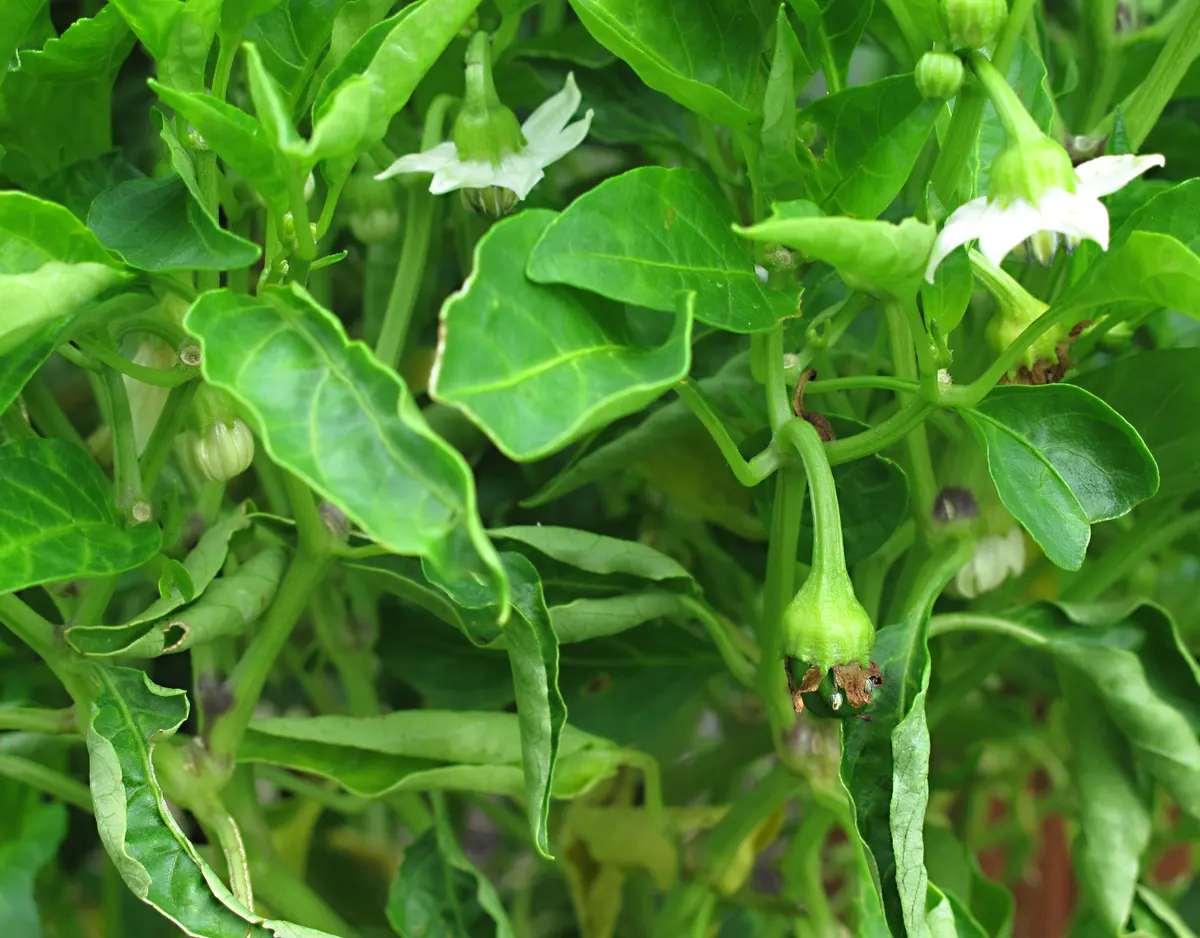
A pepper plant can look healthy and still refuse to make peppers. The leaves are green, the plant keeps blooming, and then the flowers yellow, dry, or fall off without setting fruit. Sometimes a few fruit form, then the next hot spell shuts the plant down again. In June, July, and August, this is usually a stress problem before it is a disease problem.
Peppers are warm-season vegetables, but they are not immune to heat. High daytime temperatures, warm nights, dry soil, wet-dry watering swings, too much nitrogen, poor pollination, or root stress can all interrupt fruit set. The fix is not one spray. It is a short checklist: steady water, moderated heat, restrained fertilizer, decent pollinator access, and enough patience for the next flush of flowers.
For timing by region, start with the Plant by ZIP matcher and compare your crop window with the planting calendar. A pepper that is struggling in early spring cold needs a different answer than one dropping flowers during a run of 95-degree afternoons.
Disclosure: Some product links in this article are affiliate links, which means Plant by ZIP may earn a commission if you buy through them at no extra cost to you.
What the gardener is seeing
The most common report is simple: “My pepper plant has flowers but no peppers.” Look closely before doing anything. Are flowers falling off cleanly? Are tiny fruit forming and then dropping? Are leaves wilting in late afternoon but recovering by morning? Are fruit present, but with pale sunken patches, dark leathery bottoms, or thin walls?
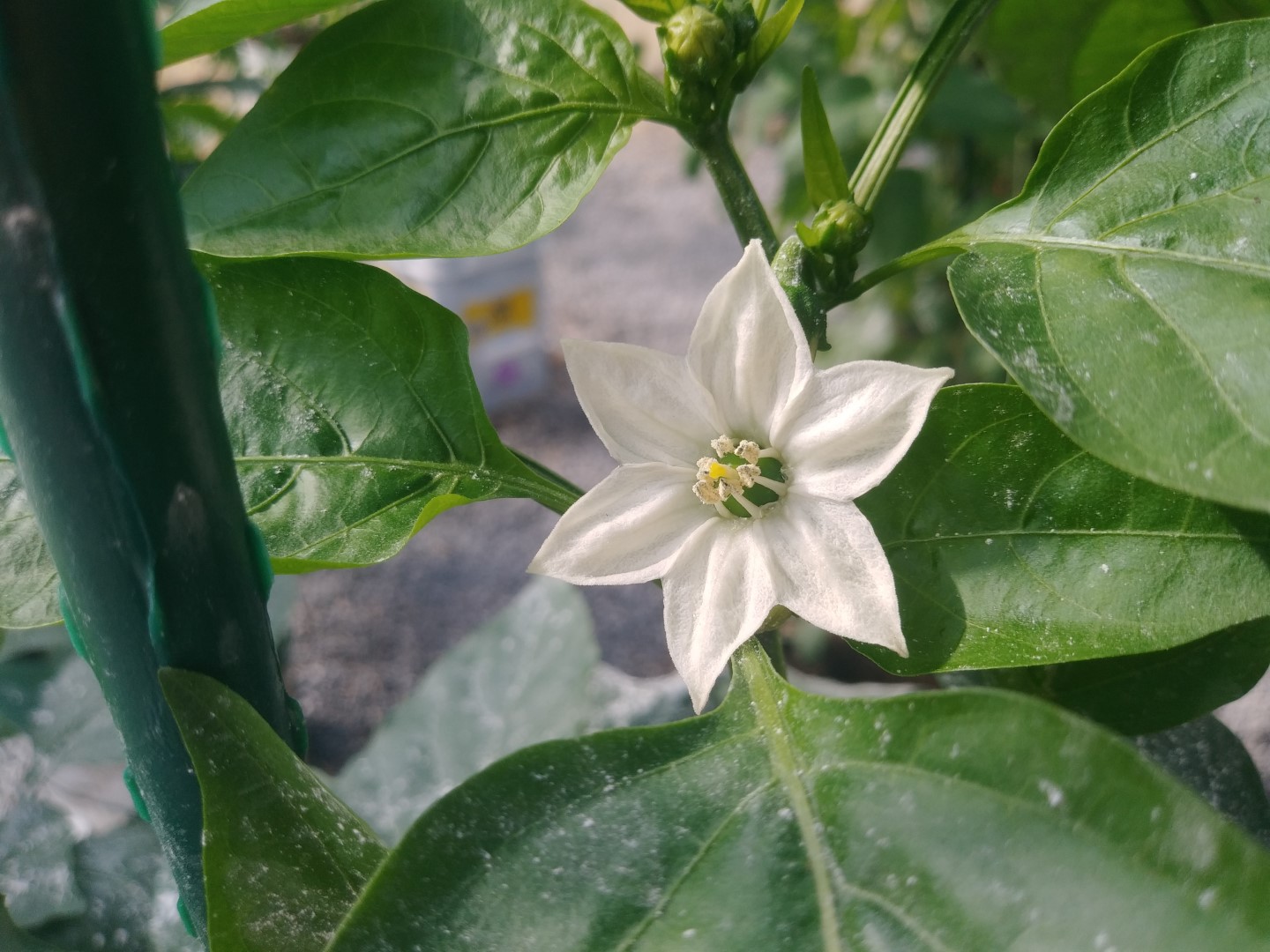
Flower drop usually shows up as yellowing flower stems or dry blossoms on the soil under the plant. That points toward heat, water stress, poor pollination, or excess nitrogen. If the plant is lush, dark green, and tall with few flowers, fertilizer may be pushing leaf growth over reproduction. If the plant is small, pale, or stalled, the root zone may be too cold, too dry, waterlogged, compacted, or short on nutrients.
Fruit symptoms tell a different story. A dark, leathery spot on the blossom end of a pepper is blossom-end rot, a calcium movement problem strongly tied to water stress. A pale, papery, sun-facing patch on the side of a pepper is often sunscald. Neither is fixed by treating flowers. Both mean the plant needs steadier growing conditions.
What usually causes it
Heat is the usual summer trigger. University of Minnesota Extension notes that dry soil, temperatures above 90 degrees F, and nights outside the comfortable range can weaken pepper growth. University of Maryland Extension is similarly direct: very hot temperatures, especially warm nights above 75 degrees F, can slow or stop pod production.
The important detail is nighttime heat. A pepper plant can tolerate a hot afternoon better if the night cools down. When nights stay warm, the plant does not recover as well, pollen function suffers, and flowers may abort. During a heat wave, healthy plants may drop flowers for several days and then resume setting fruit when temperatures moderate.
Water swings make the heat problem worse. Utah State University Extension recommends deep, infrequent irrigation for peppers, generally supplying 1 to 2 inches of water per week, and warns that irregular watering can cause flower drop and blossom-end rot. In raised beds and containers, the same weather can dry the root zone much faster than it dries native soil.
Too much nitrogen is another common cause. A pepper fed like a lawn will often make leaves first and fruit later, if at all. This is especially common when gardeners keep adding soluble fertilizer because the plant “looks like it needs something” after flowers drop. If the leaves are dark green and growth is lush, more nitrogen is usually the wrong move.
Pollination can also be involved. Pepper flowers are self-fertile, but vibration and insect visits help move pollen. Extreme heat, very dry air, heavy rain, or still protected sites can reduce effective pollen transfer. This is usually secondary to heat and water stress in home gardens, but it matters in screened patios, enclosed porches, and still high tunnels.
What to do first
Do not start by spraying. Start by checking the root zone. Push a finger or trowel 3 to 5 inches into the soil near the plant, away from the stem. If only the surface is damp, the watering is too shallow. If the soil is sour, saturated, or compacted, the roots may be short of oxygen. If the plant wilts every afternoon but looks normal by sunrise, it is probably heat stress. If it is still wilted in the morning, treat that as a real root-zone problem.
Next, look at the weather pattern. A few days above 90 degrees F, especially with nights staying warm, can temporarily stop fruit set. In that case, the correct response is to keep the plant alive and steady, not force it. Flowers that open during better weather are the ones most likely to set.
Then check fertilizer history. If you used a high-nitrogen product recently, stop feeding for now. If you have never tested the soil, make that the next correction before the next crop. A soil test kit or lab mailer is useful when you need a baseline, but a local extension soil test is usually the better guide for pH and nutrient decisions.
Finally, check plant position. Peppers need sun, but a plant beside concrete, brick, gravel, a south-facing wall, or a dark container can be hotter than the forecast. If the plant gets brutal late-afternoon sun and the leaves fold or wilt every day, reducing heat load may matter more than adding fertilizer.
Step-by-step fix
First, stabilize moisture. Water deeply enough to wet the active root zone, then let the surface begin to dry before watering again. In most in-ground beds, this means fewer, deeper waterings rather than daily splashing. In containers, daily watering may be necessary during hot weather, but the goal is still even moisture rather than drought followed by flooding.
Mulch the bed. A 2- to 3-inch layer of clean straw, shredded leaves, pine straw, or organic mulch reduces surface evaporation and buffers soil temperature. Keep mulch a few inches away from the stem so the crown stays dry.
Use soil-level irrigation if possible. A drip irrigation kit or simple drip line keeps moisture steadier and keeps leaves dry. A hose timer helps if missed watering is the real problem. If you are setting up more than one bed, the Plant by ZIP drip irrigation guide explains filters, pressure regulation, tubing, and timers in more detail.
Add temporary shade during heat waves. University of Maryland Extension suggests late-afternoon shade for peppers in hot weather, and its vegetable pollination guidance recommends experimenting with 30 percent shade cloth for heat-sensitive crops such as tomato, pepper, and squash. Use shade cloth over the top of the plant, not wrapped tightly around it. Keep the sides open for airflow and pollinators. Remove or raise it when temperatures moderate so the plant still gets strong light.
Stop heavy nitrogen. If the plant is already vigorous and green, wait until it is setting and sizing fruit again before feeding. If the plant is pale and weak, use a measured, label-rate application of balanced garden fertilizer rather than repeated high-nitrogen feeding. Soil-test recommendations beat guessing.
Protect the leaf canopy. Sunscald is more likely when fruit are suddenly exposed after hard pruning, broken branches, disease, or insect feeding. Do not strip peppers bare for airflow the way some gardeners prune tomatoes. Remove dead or diseased leaves, but keep enough foliage to shade developing fruit.
Help pollination in still spaces. In a screened porch, greenhouse, or balcony corner with little air movement, gently tap flower clusters in the morning or brush open flowers with a small clean paintbrush. Outdoors, avoid spraying insecticides during bloom unless a pest problem truly requires it and the product label allows that use. Flowers are easier to set when pollinators can work.
What to buy, if anything
Buy water control before buying cures. Mulch, drip line, and a timer solve more pepper fruit-set problems than blossom sprays. If your peppers are in containers, a larger container with drainage and a consistent potting mix may be the highest-value fix, especially if the plant wilts hard every afternoon.
Shade cloth is worth buying when the site has reflected heat, hot afternoon sun, or repeated flower drop during heat waves. Use moderate shade, commonly around 30 percent for vegetables, and keep it temporary. Too much shade can reduce flowering and slow ripening.
Buy a soil test when the pattern repeats every year, when blossom-end rot is common, or when plants are lush but unproductive. Do not add lime, calcium, Epsom salt, or multiple fertilizers without knowing what the soil actually needs. Epsom salt supplies magnesium, not calcium, and it is not a reliable fix for blossom-end rot.
Plant supports can help heavy pepper plants hold fruit without breaking, but they are not the first purchase for flower drop. If branches are bending or fruit are resting on the ground, use small stakes, cages, or soft ties. The goal is to keep the canopy intact and fruit shaded, not to over-prune the plant into a narrow column.
Blossom-end rot and sunscald are related, but different
Blossom-end rot on peppers appears as a dark, sunken, leathery patch at the blossom end of the fruit. Utah State University Extension describes blossom-end rot as a physiological disorder caused by a calcium shortage in young fruit, with moisture imbalance interfering with calcium uptake and movement. The soil may contain enough calcium and still produce affected fruit if roots are stressed or watering is erratic.
The fix is steady moisture, mulch, healthy roots, and soil-test-based fertility. Affected fruit will not heal. Remove badly damaged fruit so the plant can put energy into new fruit. If later fruit are clean after watering improves, the plant has likely grown through the stress period.
Sunscald is different. It usually appears as a pale, tan, whitish, or papery patch on the sun-facing side of fruit. Utah State University Extension’s vegetable pest guide describes sunscald as a physiological disorder caused by intense solar radiation, low humidity, and reflected heat, especially when fruit are exposed by a thin or damaged canopy. Prevention means keeping leaves healthy, avoiding severe pruning, controlling pests or diseases that defoliate plants, supporting heavy branches, and using shade cloth where heat load is extreme.
Neither problem calls for a fungicide as the first move. Rots can invade damaged tissue later, but the original injury is environmental. Fix the conditions that caused the injury.
When to call extension or escalate
Call your county extension office or use a diagnostic lab if pepper plants are wilting in the morning even when soil moisture is adequate, if stems have dark lesions, if leaves are badly spotted or distorted, or if the whole planting collapses. Heat-related blossom drop usually affects flowers first while the plant otherwise looks alive. A disease, root rot, herbicide drift, bacterial wilt, or serious pest problem often produces broader symptoms.
Escalate if you see insects inside flowers in high numbers. Thrips, mites, and other pests can damage flowers and young fruit, especially during hot, dry weather. Maryland Extension’s vegetable scouting guidance notes that tomato, pepper, and watermelon flowers can tolerate some thrips, but higher pressure can cause problems. Identify the pest before spraying, and follow the product label exactly if treatment is needed.
Also ask for help if the same bed fails year after year despite steady watering. Bring photos, a soil-test report if available, and notes on variety, planting date, irrigation schedule, fertilizer, mulch, and recent temperatures. That information is more useful than a single close-up of a fallen flower.
Useful references include University of Maryland Extension on growing peppers, University of Minnesota Extension on peppers in home gardens and excessive heat in vegetable gardens, Utah State University Extension on peppers in the garden, vegetable watering, and blossom-end rot, and Utah State University Extension’s guide to using shade for fruit and vegetable production. Hero image: Downtowngal / Wikimedia Commons, CC BY-SA 3.0.
Bottom line
If a pepper plant is blooming but not setting fruit in summer, assume stress before disease. Check moisture at root depth, mulch, water consistently, reduce late-afternoon heat, and stop pushing nitrogen. Temporary flower drop during a hot spell is common; the plant often resumes setting peppers when nights cool and the root zone stays steady.
If fruit are damaged, separate the diagnosis. Dark leathery bottoms point toward blossom-end rot and water-calcium movement. Pale papery sides point toward sunscald and exposed fruit. Both are managed with steadier growing conditions, not panic spraying.